



How do you attach two curtains together?
Tying two curtains together is more than a practical necessity; it is a deliberate decorative gesture that can transform the mood of a room. Between the interplay of light, the harmony of fabrics and a meticulous finish, every detail matters in creating an ensemble that is both elegant and functional. Whether you wish to join panels or layer different materials, the choice of technique and accessories makes all the difference. Let us guide you in mastering this subtle art and unlocking the full potential of your windows.
Introduction
When it comes to interior decoration, curtains play an essential role in adding a touch of style and personality to every room. However, beyond their aesthetic aspect, curtains also have a practical function in controlling light and offering privacy. The art of properly tying your curtains can transform the ambiance of a bedroom, living room, or any space within the home. Whether it's to merge two panels into a single full curtain or to layer light sheers with heavier fabrics for a depth effect, curtain tying techniques are as varied as they are creative.
The Importance of Tying Your Curtains Properly
Tying your curtains properly is crucial not only for the aesthetic aspect but also to maximize their functionality. Whether it's to regulate light, preserve privacy, or simply to add a decorative touch to a window, the way curtains are tied can completely change the atmosphere of a room. Tiebacks, rings, hooks, or even cords not only add style but also practicality to the daily use of curtains. Consult our various indoor curtains for inspiration.
Presentation of Common Techniques
Techniques for tying curtains vary depending on the type of curtain, the desired function, and the decoration style. Among the most popular methods are using tiebacks to hold curtains open, creating pleats with clips or hooks for a more structured effect, and adding knots or loops for a more relaxed or bohemian look.

Necessary Materials
Before you start tying your curtains, it's important to gather all the necessary materials. This includes, but is not limited to, the curtain rod, tiebacks, rings, hooks, and the curtain fabric itself.
List of Tools and Accessories
Basic tools include a curtain rod, tiebacks, rings with clips or hooks for hanging the fabric, and cords or ribbons if you wish to add decorative details. Depending on the style and tying technique, you will also need precise measurements of the window's width and length, as well as the curtain itself.
Tips for Choosing the Right Materials
The choice of materials depends on the type of fabric (cotton, linen, sheer), the weight of the curtain, the window width, and the desired effect. For heavy curtains, opt for sturdy rods and robust hangers. For a more airy effect with sheers, tracks or tension wires can be an interesting option. Also discover the full range of our curtain collection.

How to Attach Two Curtains Together?
Preparing the Curtains
Before attaching two curtains together, make sure they are the same size and made of the same fabric for perfect uniformity. Iron the curtains to remove any creases and measure where they will be attached to ensure symmetry.
Basic Technique for Attaching Curtains
Start by aligning the edges of the two curtains, right sides together. Use clips or discreet stitches to join them along the edge, ensuring the attachment is both strong and barely visible. For curtains with grommets, you can connect them by inserting a ring through the grommets of each panel.
Tips for a Clean and Durable Finish
For an aesthetic finish, consider adding a fabric strip or ribbon along the seam to hide any imperfections. Also ensure the junction is as discreet as possible, especially for light-colored or fine-fabric curtains.

How to Tie Your Curtains Beautifully?
The choice of style and design for your curtains should reflect the ambiance you wish to create in your space. Whether you opt for a modern and sleek look, a classic and elegant one, or a bohemian and relaxed feel, the way you tie your curtains can significantly influence their final aesthetic.
Decorative Techniques for Tying Your Curtains
Using Ribbons and Cords
Ribbons and cords offer a simple yet elegant way to add a decorative touch to your curtains. You can tie them around the rod to create decorative loops, or use them to tie the curtains to wall-mounted tiebacks for a draped effect.
Creating Aesthetic Knots and Loops
Creating knots and loops can transform the look of your curtains. Loose, flowing knots give a relaxed air, while tight, uniform loops add a note of elegance. Experiment with different types of knots to find the style that best suits your decor.
Tips for Harmonizing with Interior Decoration
For your curtains to complement your interior decoration harmoniously, consider the color, pattern, and fabric of your curtains in relation to your overall space. Curtains should both stand out and blend in, creating a visual balance and enhancing the overall aesthetic of the room.

How to Layer Two Curtains?
Benefits of Layering
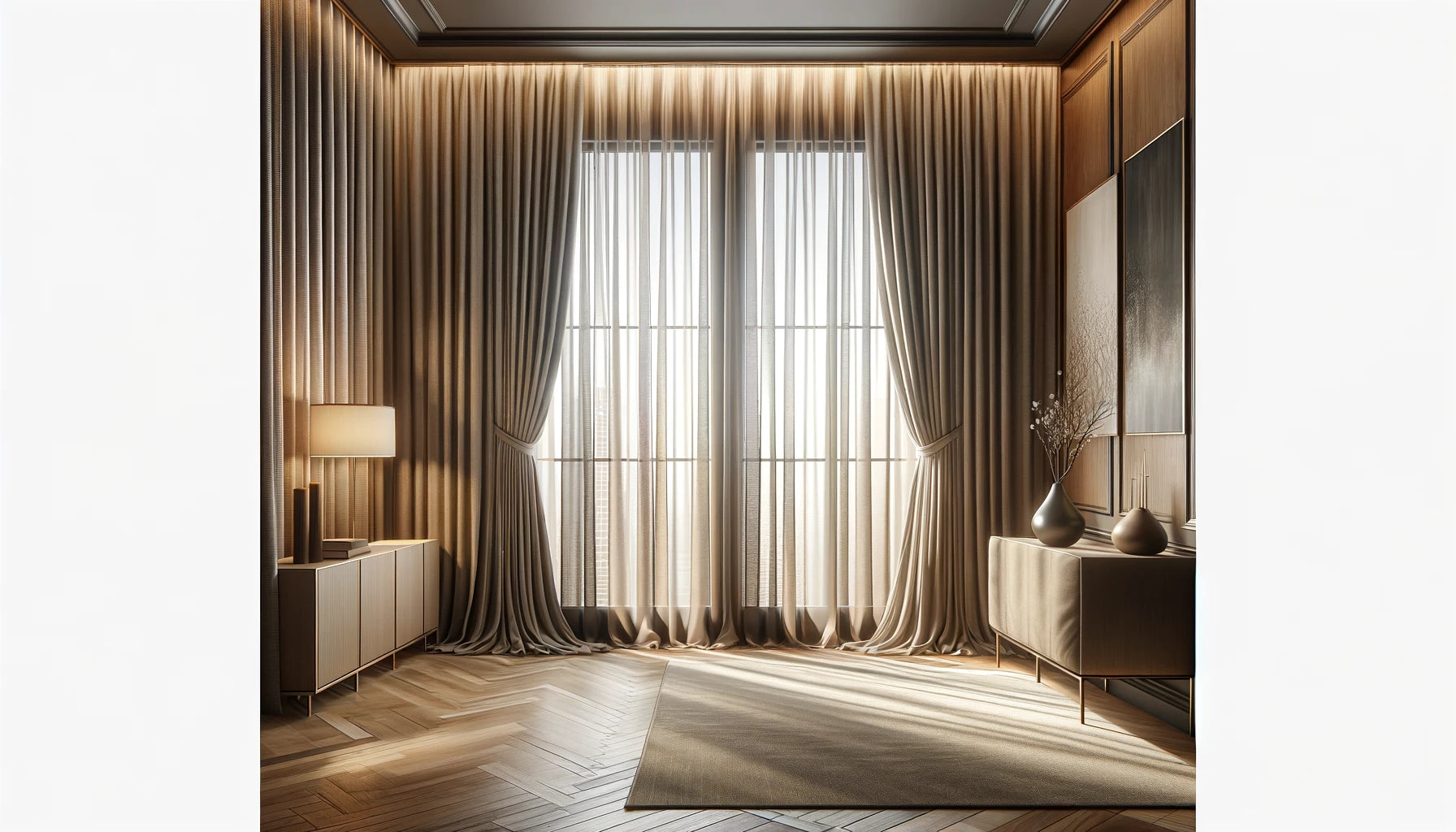
Layering curtains allows you to play with textures and colors, while enhancing curtain functionalities like light regulation and thermal insulation. It can also add depth and visual richness to your space.
Steps for Successful Layering
Choosing Curtains for Layering
Select curtains of different textures and transparencies for a successful layering effect. A light sheer can be layered with a heavier fabric for an interesting contrast.
Adjusting the Curtain Rod
For effective layering, the curtain rod must be long enough to accommodate both panels without them overlapping undesirably. Also ensure the rod is securely fixed to support the additional weight.
Ideas for Color and Texture Combinations
Experiment with different color and texture combinations to find the perfect mix for your space. Consider subtle contrasts or bold pairings depending on the desired effect.
Maintenance and Adjustments
Tips for Maintaining Tied Curtains
Keeping your curtains clean and well-maintained is essential to preserve their beauty in the long term. Wash them according to the specific fabric instructions and iron them regularly to maintain a neat appearance.
How to Adjust Curtains Without Untying Them?
If you need to adjust the length or width of your curtains without untying them, consider using adjustable clips or hooks. These solutions allow you to modify the look of your curtains without major intervention.

Conclusion
Tying and layering curtains is an art that combines aesthetics and functionality. By integrating the techniques and tips presented, you can transform any space into a welcoming and stylish place. Don't hesitate to experiment with different styles, textures, and tying methods to fully personalize your space. Remember that curtains are more than just an accessory; they are an expression of your style and creativity.
Share


